Exploring the Timeless Elegance of Oriental Machine Embroidery Designs
When it comes to the world of embroidery, few styles can match the intricate beauty and cultural richness of Oriental machine embroidery designs. For centuries, these mesmerizing patterns have graced textiles, garments, and various art forms across Asia. From the delicate lotuses and majestic tigers to the serene cranes and ornate pagodas, Oriental embroidery motifs encapsulate the essence of Asian culture.
Unveiling the Motifs of Oriental Embroidery
Oriental machine embroidery designs draw inspiration from the profound symbolism in the region's history and traditions. Here are some of the most iconic motifs you'll encounter:
1. Lotus Flower
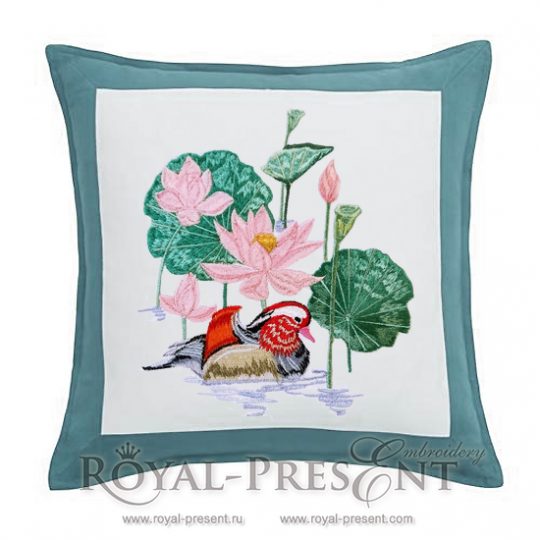
The lotus flower, revered in many Asian cultures, symbolizes purity, enlightenment, and rebirth. Its intricate petals and graceful curves make it a popular choice for embroidery, representing the journey of growth and transformation.
2. Mandarin Ducks
Mandarin ducks are a symbol of love and fidelity in Chinese culture. These colorful birds are often depicted swimming together, signifying a harmonious and loving relationship. Mandarin duck motifs are a favorite for wedding and anniversary-related embroidery.
3. Pagodas
Pagodas are iconic structures in Asian architecture, often used in embroidery to convey a sense of spirituality and enlightenment. They are also associated with protection and warding off evil spirits.
4. Tigers
The tiger is a powerful and majestic creature in Asian folklore, symbolizing courage, strength, and protection. Tiger motifs are commonly found in martial arts and traditional clothing, representing the indomitable spirit.
5. Cranes
Cranes are revered for their grace and longevity in various Asian cultures. In embroidery, they symbolize happiness, good fortune, and a long, healthy life. Crane motifs are often used in celebratory and festive designs.
The Tradition of Silk Embroidery in Asia
One of the defining characteristics of Oriental embroidery is the use of silk threads. Silk has been cultivated and cherished in Asia for thousands of years, making it a natural choice for embroidery due to its luxurious sheen and smooth texture. Silk threads are known for their strength and durability, ensuring that the intricate details of Oriental designs stand the test of time.
Exploring Viscose Threads as a Modern Alternative
While traditional silk embroidery remains a hallmark of Asian craftsmanship, modern machine embroidery has introduced alternatives to silk, with viscose threads emerging as a popular choice. Here's a closer look at the characteristics, advantages, and disadvantages of viscose threads:
Characteristics of Viscose Threads
- Smooth Texture: Viscose threads have a soft and silky texture, resembling natural fibers like silk.
- Sheen: They offer a subtle sheen that adds a touch of elegance to embroidered designs.
- Color Variety: Viscose threads come in a wide range of vibrant colors, allowing creative expression.
- Affordability: Compared to silk, viscose threads are often more budget-friendly, making them accessible to a broader audience.
Advantages of Viscose Threads
- Durability: Viscose threads are strong and resilient, ensuring the longevity of machine embroidery projects.
- Ease of Use: They are easy to work with, making them suitable for beginners and experienced embroiderers.
- Colorfastness: Viscose threads are known for retaining their color vibrancy over time.
Disadvantages of Viscose Threads
- Not Authentic: While viscose threads mimic the appearance of silk, they lack the authenticity and cultural significance associated with traditional silk embroidery.
- Less Luxurious Feel: Some may argue that viscose threads do not possess the same luxurious feel as genuine silk.
In conclusion, Oriental machine embroidery designs encapsulate a rich tapestry of culture, symbolism, and craftsmanship. Whether you embrace the traditional elegance of silk threads or explore the modern versatility of viscose, these designs offer a captivating journey into the heart of Asian artistry. With motifs ranging from lotuses to tigers, Oriental embroidery invites you to infuse your creations with the timeless allure of the East.

 Get Sign-In Link
 Login with Google
 Login with Facebook
 Login with Amazon
 Login with Paypal